Blog Details Home / Blog Details
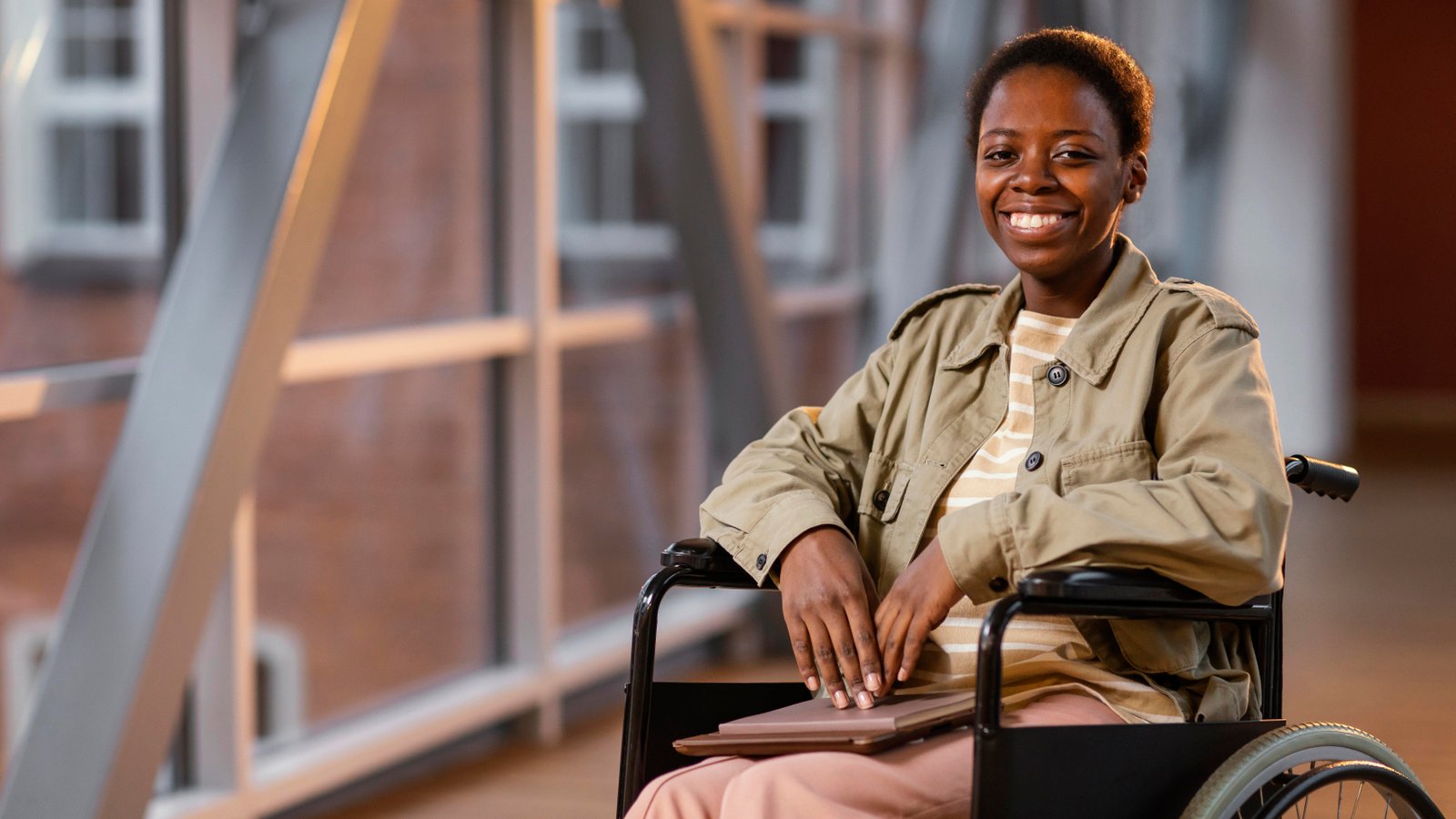
Building an Inclusive Education System for Children with Disabilities
Every child has the right to learn, participate, belong, and reach their potential—regardless of disability.
Education has the power to transform lives. It opens doors to knowledge, builds confidence, develops skills, and creates opportunities for the future.
But for many children with disabilities, accessing quality education can still be a significant challenge.
Barriers may exist in the classroom, in school infrastructure, in teaching methods, in learning materials, in attitudes, and even within communities. A child may be willing and capable of learning, yet find themselves excluded because the environment around them has not been designed to accommodate different needs.
This is why inclusive education matters.
At Able Foundation, we believe that disability should never be a reason for a child to be denied meaningful educational opportunities. Building an inclusive education system requires us to look beyond simply allowing children with disabilities into schools. It requires us to create learning environments where they can participate, learn, develop, and belong.
What Is Inclusive Education?
Inclusive education is an approach to education that seeks to ensure that all learners can participate meaningfully in learning, regardless of their abilities, disabilities, backgrounds, or individual learning needs.
It recognises that children do not all learn in exactly the same way.
Some learners may need additional time. Others may need assistive devices, adapted learning materials, alternative communication methods, classroom support, or different approaches to teaching.
Inclusive education therefore asks schools to adapt to learners—not simply expect every learner to adapt to the same system.
It is about removing unnecessary barriers and creating opportunities for every learner to participate.
Inclusion Is More Than Putting a Child in a Classroom
One common misunderstanding is that inclusion simply means placing a child with a disability in a mainstream classroom.
While access to the classroom is important, true inclusion goes much further.
A child can be physically present in a classroom and still be excluded.
For example, a learner may be sitting in class but unable to understand the lesson because the teaching materials are inaccessible. Another learner may attend school but be excluded from sports and extracurricular activities. Someone else may be present but isolated by classmates because of stigma or misunderstanding.
True inclusion means asking:
- Can the learner access the classroom?
- Can they understand the learning materials?
- Can they communicate?
- Can they participate in activities?
- Can they interact with other learners?
- Are their abilities recognised?
- Do they feel safe and respected?
- Are they given opportunities to demonstrate what they know?
These questions help us move from physical inclusion to meaningful inclusion.
Why Inclusive Education Matters
Inclusive education benefits more than children with disabilities.
It helps create schools where all learners are encouraged to understand difference, respect one another, cooperate, and appreciate different abilities.
When children learn together, they can develop important social skills such as empathy, teamwork, communication, patience, and acceptance.
Inclusive schools can therefore contribute to building more inclusive communities.
The lessons children learn at school can influence how they treat others throughout their lives.
Breaking Down Barriers to Education
For children with disabilities, barriers to education can take many forms.
Physical Barriers
School buildings may have stairs without ramps, inaccessible toilets, narrow doorways, or classrooms that are difficult for some learners to access.
Making schools physically accessible is an important part of inclusion.
Accessibility should be considered when schools are designed, renovated, or expanded.
Learning Barriers
Traditional teaching methods may not work equally well for every learner.
A child may understand a concept but struggle to demonstrate their knowledge through conventional written work.
Teachers can use different approaches, including:
- Visual learning materials
- Practical demonstrations
- Oral explanations
- Hands-on activities
- Simplified or adapted instructions
- Assistive technology where appropriate
- Additional time
- Individualised support
The goal is not to make learning easier in a way that lowers expectations.
The goal is to remove unnecessary barriers so learners can demonstrate their abilities.
Communication Barriers
Some learners may have communication difficulties or use alternative ways of communicating.
Schools should consider how information is presented and how learners are given opportunities to express themselves.
Communication should never become a reason for a learner to be ignored or excluded.
Attitudinal Barriers
Sometimes the biggest barrier is not the disability itself.
It is the way society responds to disability.
Negative stereotypes, stigma, bullying, discrimination, and low expectations can prevent children from participating fully in education.
A learner who is constantly told that they cannot succeed may eventually begin to believe it.
Changing attitudes is therefore one of the most important parts of creating inclusive schools.
The Role of Teachers
Teachers are at the heart of inclusive education.
They interact with learners every day and have a significant influence on how children experience school.
An inclusive teacher does not expect every learner to learn in exactly the same way.
Instead, they observe learners, identify barriers, recognise strengths, and explore different ways of presenting information.
Teachers can support inclusion by:
- Creating welcoming classrooms
- Using different teaching approaches
- Giving clear and manageable instructions
- Allowing learners appropriate time to complete tasks
- Encouraging participation
- Working with parents and caregivers
- Identifying persistent learning difficulties
- Preventing bullying and discrimination
- Celebrating individual strengths
- Maintaining high but realistic expectations
Most importantly, teachers should communicate to learners that their differences do not make them less valuable.
The Role of Parents and Caregivers
Parents and caregivers are essential partners in inclusive education.
They often know their children better than anyone else and can provide valuable information about their strengths, interests, communication styles, challenges, and progress.
Strong communication between families and schools can help identify challenges early and develop better support strategies.
Parents can contribute by:
- Communicating regularly with teachers
- Sharing information about their child's learning needs
- Encouraging learning at home
- Celebrating progress
- Supporting their child's confidence
- Participating in school activities
- Asking questions when support is needed
Education works best when schools and families work together rather than separately.
Creating Accessible Learning Materials
Learning materials should be designed with different learners in mind.
Depending on the needs of the learner, schools may consider:
- Large and clear text
- Visual resources
- Audio materials
- Tactile learning materials
- Simplified instructions
- Practical activities
- Digital resources
- Alternative methods of assessment
Accessibility does not necessarily mean creating completely different lessons for every child.
Sometimes a small adjustment can make a significant difference.
Inclusive Education and Technology
Technology can also play an important role in supporting inclusive learning.
Digital tools can provide learners with alternative ways to access information, communicate, practise skills, and demonstrate their understanding.
Assistive technologies may help some learners overcome barriers that would otherwise make participation difficult.
However, technology should be viewed as a tool for inclusion, not a replacement for teachers, relationships, or appropriate educational support.
The most effective approach combines technology with skilled educators and an understanding of each learner's needs.
Inclusion in Sports and Extracurricular Activities
Education does not happen only inside the classroom.
Sports, music, arts, clubs, competitions, leadership activities, and community events are important parts of a child's development.
Children with disabilities should have opportunities to participate in these activities as well.
Inclusive sports can help develop:
- Confidence
- Physical fitness
- Teamwork
- Communication
- Leadership
- Friendship
- A sense of belonging
When children participate together, they have opportunities to learn from one another and challenge stereotypes about disability.
Tackling Bullying and Stigma
No child should have to choose between education and dignity.
Bullying can have serious effects on a learner's confidence, participation, and willingness to attend school.
Schools should have clear approaches for preventing and responding to bullying.
Learners should be taught that disability is part of human diversity and that differences should not be used as reasons for discrimination.
Creating safe schools requires everyone to take responsibility—teachers, learners, parents, administrators, and communities.
Inclusive Education Requires Investment
Building inclusive education systems requires commitment and resources.
Schools may need:
- Teacher training
- Accessible infrastructure
- Appropriate learning materials
- Assistive technology
- Specialist support
- Stronger referral systems
- Parent engagement
- Disability awareness programmes
- Inclusive policies and practices
Investment in inclusion is not simply an expense.
It is an investment in children, families, communities, and the future.
When children are given opportunities to develop their abilities, society benefits from the skills and contributions they can bring.
Moving From "Can This Child Learn?" to "How Can This Child Learn?"
Perhaps one of the most important changes we can make is changing the questions we ask.
Instead of asking:
"Can this child learn?"
we should ask:
"How does this child learn best?"
Instead of asking:
"Why can't they keep up?"
we should ask:
"What barriers are preventing them from participating?"
And instead of asking:
"What is wrong with this learner?"
we should ask:
"What strengths can we build on?"
These questions change the way we understand disability.
They move the conversation away from limitations and towards possibility, support, and opportunity.
Able Foundation's Commitment to Inclusive Education
At Able Foundation, we believe that inclusion must extend beyond policies and statements.
It must be reflected in everyday experiences.
That means promoting awareness, supporting learners and families, strengthening educators, encouraging inclusive practices, and working with communities and stakeholders to address barriers affecting children and young people with disabilities and learning difficulties.
Our work is guided by the belief that every learner deserves an opportunity to discover their abilities and participate meaningfully in society.
We want to contribute to an education environment where children are not excluded because they learn differently, communicate differently, move differently, or experience the world differently.
What Can We Do Today?
Inclusive education may seem like a large goal, but change can begin with simple actions.
Schools can:
- Review accessibility
- Train teachers on inclusive practices
- Listen to learners and families
- Address bullying
- Adapt teaching methods
- Make learning materials more accessible
Teachers can:
- Recognise different learning styles
- Encourage participation
- Focus on strengths
- Adapt instruction
- Create safe and supportive classrooms
Parents can:
- Advocate for their children
- Communicate with schools
- Encourage learning
- Celebrate progress
- Seek support when concerns arise
Communities can:
- Challenge disability stigma
- Promote acceptance
- Support inclusive activities
- Encourage children with disabilities to participate
- Speak out against discrimination
And every one of us can start by changing the way we see disability.
Conclusion
Inclusive education is not about giving some children an advantage.
It is about ensuring that every child has a fair opportunity to learn, participate, develop, and succeed.
Children with disabilities have dreams, talents, ideas, ambitions, and abilities.
They deserve classrooms where they are welcomed.
They deserve teachers who believe in their potential.
They deserve learning environments that accommodate their needs.
They deserve opportunities to participate in sports, arts, leadership, and community life.
And above all, they deserve to belong.
Inclusion begins when we stop asking children to fit into systems that were not designed for them—and start building systems that recognise and value every learner.
Join the Movement for Inclusion
Able Foundation continues to promote disability inclusion, dyslexia awareness, educational support, and opportunities for children and young people with disabilities.
Together, we can build schools and communities where every learner is seen, heard, supported, and given the opportunity to thrive.
Leave A Comment
Sing in to post your comment or singup if you don’t have any account.
Able Foundation is a disability-led organisation committed to promoting disability inclusion, dyslexia awareness, accessible education, skills development, and meaningful opportunities for children and young people with disabilities.
0 Comments