
Blog Details Home / Blog Details
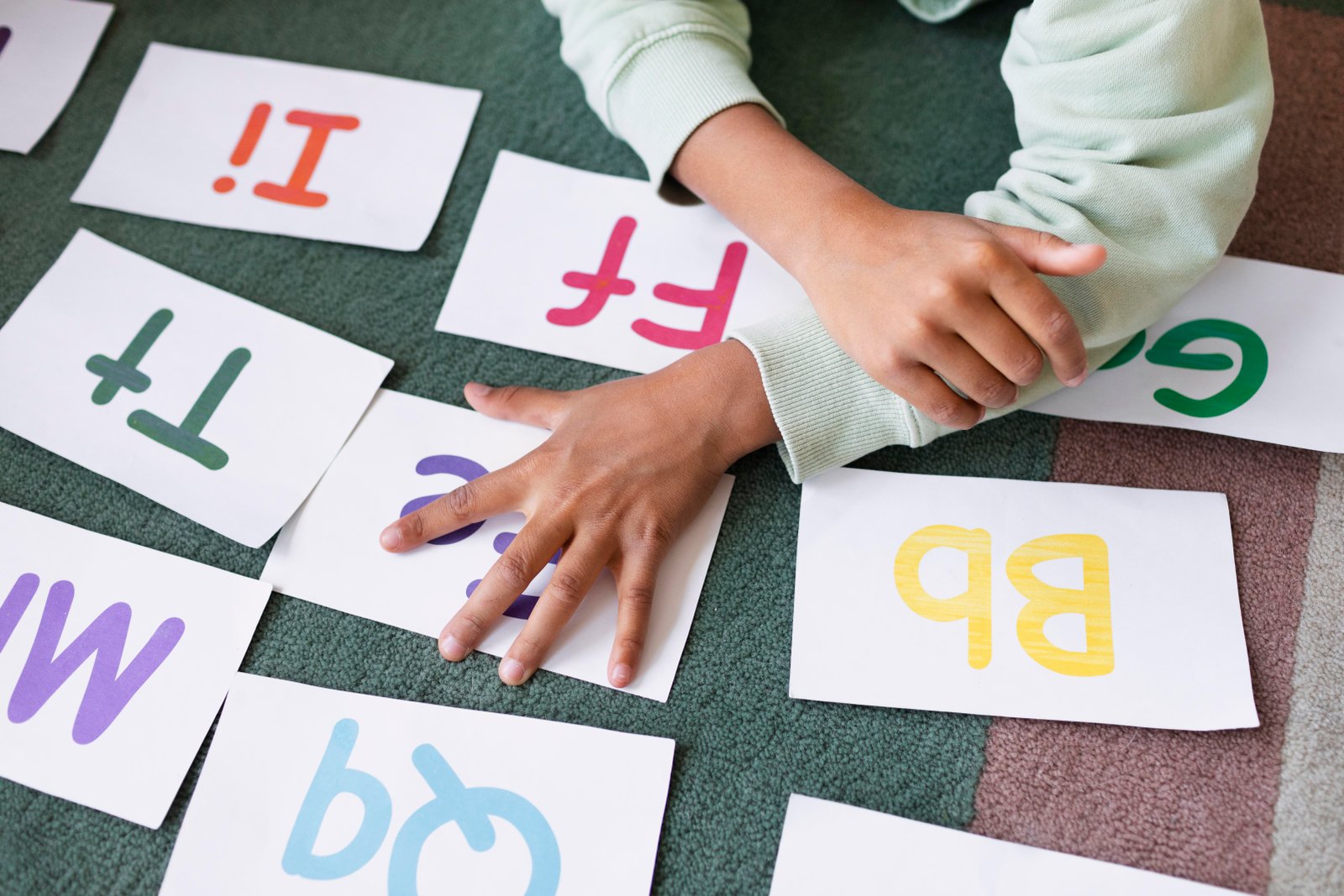
Understanding Dyslexia: What Every Parent and Teacher Should Know
Dyslexia is not a measure of intelligence. With the right support, children and young people with dyslexia can learn, succeed, and reach their full potential.
Every child learns differently. Some children learn to read and write quickly, while others need more time, different teaching approaches, and additional support. When a child struggles consistently with reading, spelling, writing, or processing written information, it is important to understand what may be behind those challenges.
One possible explanation is dyslexia.
Dyslexia is a learning difference that can affect how a person processes language, particularly skills related to reading and spelling. It does not mean that a child is lazy, unintelligent, careless, or incapable of learning. In fact, people with dyslexia have the same capacity to learn and develop as anyone else when they receive appropriate support.
At Able Foundation, we believe that understanding dyslexia is an important step towards creating more inclusive schools, families, and communities.
What Is Dyslexia?
Dyslexia is a lifelong learning difference that primarily affects reading and language-related skills. A person with dyslexia may experience difficulties with accurate and fluent word reading, spelling, decoding words, and connecting letters with their corresponding sounds.
However, dyslexia does not affect everyone in exactly the same way.
Some learners may have significant difficulties with reading, while others may mainly struggle with spelling or writing. Some may read accurately but very slowly. Others may have difficulty remembering sequences, following lengthy written instructions, or organising written work.
It is therefore important to look at the individual learner, rather than assuming that every person with dyslexia will have the same characteristics.
Common Signs of Dyslexia
The signs of dyslexia can vary depending on a child's age and stage of development.
In Young Children
Some possible signs include:
- Difficulty learning letter names and sounds
- Difficulty recognising or remembering familiar words
- Trouble learning rhymes or recognising rhyming patterns
- Difficulty remembering sequences such as days of the week or months
- Difficulty connecting sounds with letters
- Delayed development of reading skills
- Avoiding activities that involve reading or writing
These signs do not automatically mean that a child has dyslexia. However, persistent difficulties should be taken seriously and discussed with appropriate professionals.
In School-Age Children
A learner may:
- Read more slowly than their classmates
- Have difficulty sounding out unfamiliar words
- Frequently misspell words
- Confuse similar-looking letters or words
- Find reading aloud stressful
- Have difficulty copying information from the board
- Struggle to remember written instructions
- Produce written work that does not reflect their understanding
- Avoid reading and writing tasks
- Need considerably more time to complete written assignments
Again, these challenges can have different causes. Proper assessment and support are important.
Dyslexia Does Not Mean a Child Is Not Intelligent
One of the most harmful misconceptions about dyslexia is that children who struggle with reading or writing are not intelligent.
This is simply not true.
A learner can struggle with reading while being highly capable in mathematics, science, art, music, technology, problem-solving, leadership, creativity, or practical activities.
Sometimes a child's intelligence is hidden behind their difficulty with written language.
When we judge a learner only by their ability to read or write, we risk overlooking their strengths, talents, ideas, and potential.
That is why inclusive education must recognise that academic difficulty in one area does not define the whole child.
Dyslexia Is Not Laziness
Children with dyslexia are sometimes described as lazy because they may avoid reading, take longer to complete assignments, or appear reluctant to participate in activities involving writing.
But what may look like laziness can actually be frustration, anxiety, exhaustion, or a lack of confidence.
Imagine being asked to perform a task every day that requires considerably more effort from you than from everyone around you. Over time, you may begin avoiding that task—not because you do not want to learn, but because you are afraid of failing again.
Understanding this difference can completely change how adults respond to learners.
Instead of saying:
"You are not trying hard enough."
We can ask:
"What support would make this easier for you?"
That simple change in approach can make a significant difference.
The Importance of Early Identification
Early identification can help children receive appropriate support as soon as possible.
When learning difficulties go unnoticed, children may experience repeated academic failure. This can affect their confidence, motivation, relationships, and willingness to participate in school.
Early identification does not mean placing a negative label on a child.
Instead, it means understanding how the child learns and identifying the support they need.
Parents and teachers should pay attention to persistent difficulties and work together to understand the learner's strengths and challenges.
How Teachers Can Support Learners With Dyslexia
Teachers play an important role in creating inclusive classrooms.
There is no single strategy that works for every learner, but teachers can consider approaches such as:
1. Use Different Ways of Teaching
Combine spoken explanations, visual materials, practical activities, demonstrations, and written information.
Using multiple ways of presenting information can give learners more opportunities to understand and remember concepts.
2. Break Tasks Into Smaller Steps
Large tasks can feel overwhelming.
Breaking instructions into manageable steps can make learning more accessible and help learners understand exactly what is expected.
3. Allow Additional Time When Appropriate
Some learners may need more time to read instructions, process information, or complete written tasks.
Additional time can allow them to demonstrate what they actually know rather than simply measuring how quickly they can complete a task.
4. Avoid Publicly Shaming Learners
Correcting a learner is part of teaching, but humiliating or embarrassing them can damage confidence.
Teachers should create classrooms where mistakes are treated as part of learning.
5. Focus on Strengths
A learner should not be defined by their difficulties.
Teachers should identify what the learner does well and create opportunities for those strengths to be recognised.
What Parents Can Do
Parents are an important part of a child's support network.
If you notice persistent difficulties with reading, spelling, writing, or other learning activities, consider speaking with your child's teacher and seeking appropriate professional guidance.
Parents can also:
- Encourage reading without creating unnecessary pressure
- Celebrate effort and progress
- Avoid comparing the child negatively with siblings or classmates
- Help the child develop confidence in their strengths
- Maintain communication with teachers
- Ask what support is available at school
- Create a positive and supportive learning environment at home
Most importantly, listen to your child.
A child who repeatedly says, "I can't do this," may not need more criticism. They may need someone to help them discover a different way to approach the task.
Creating Inclusive Schools
Supporting learners with dyslexia should not be the responsibility of one teacher or one organisation.
It requires collaboration between:
- Parents and caregivers
- Teachers
- School administrators
- Education specialists
- Communities
- Organisations working in disability inclusion
- Government and education stakeholders
Inclusive education means creating learning environments where differences are recognised and learners are given meaningful opportunities to participate.
A truly inclusive school does not ask:
"Why can't this child learn like everyone else?"
Instead, it asks:
"How can we change our approach so this child has a fair opportunity to learn?"
That is the mindset we need to build.
Dyslexia and Confidence
One of the biggest challenges faced by learners with dyslexia may not be the learning difficulty itself, but the way others respond to it.
Repeated criticism can lead children to believe that they are incapable.
Positive support can help them develop confidence.
Every small achievement matters.
Learning a difficult word, completing a paragraph, reading a sentence independently, participating in class, or simply having the courage to try again can represent meaningful progress.
Adults should recognise these achievements and encourage learners to continue developing their abilities.
Moving From Limitations to Possibilities
Dyslexia may create challenges, but it does not determine a person's future.
Children and young people with dyslexia can become teachers, entrepreneurs, artists, engineers, researchers, leaders, designers, professionals, innovators, and community changemakers.
What they need is not pity.
They need understanding, opportunity, appropriate support, encouragement, and inclusion.
At Able Foundation, we believe that every learner deserves the opportunity to discover their abilities and participate fully in education and society.
How Able Foundation Supports Inclusion
Able Foundation is committed to promoting disability inclusion and creating greater awareness of dyslexia and other learning difficulties.
Through awareness, educational support, capacity building, community engagement, and advocacy, we work towards a society where children and young people with disabilities and learning differences are recognised for their abilities and given opportunities to thrive.
Our goal is not simply to help learners overcome academic challenges.
It is to help create an environment where every learner can learn, participate, develop confidence, and pursue their aspirations.
A Message to Parents and Teachers
If a child is struggling, don't be too quick to label them.
Don't assume they are lazy.
Don't assume they are unintelligent.
Don't give up on them.
Instead, look closer, listen carefully, understand their needs, recognise their strengths, and provide the support they deserve.
Sometimes the difference between a child who believes "I can't" and one who believes "I can" is having an adult who refuses to give up on them.
Conclusion
Dyslexia is a learning difference—not a limitation on a person's potential.
When parents, teachers, schools, communities, and organisations understand dyslexia, they can replace misunderstanding with support and exclusion with opportunity.
Every child deserves to be seen for more than their difficulties.
Every learner deserves a chance to succeed.
And every young person deserves the opportunity to discover what they are capable of becoming.
Together, we can build more inclusive learning environments where every learner belongs, every ability is valued, and every opportunity counts.
Learn More About Able Foundation
Are you a parent, teacher, school, organisation, or community member interested in dyslexia awareness and disability inclusion?
Connect with Able Foundation and join us in creating a more inclusive future for children and young people.
Leave A Comment
Sing in to post your comment or singup if you don’t have any account.

Able Foundation is a disability-led organisation committed to promoting disability inclusion, dyslexia awareness, accessible education, skills development, and meaningful opportunities for children and young people with disabilities.
0 Comments